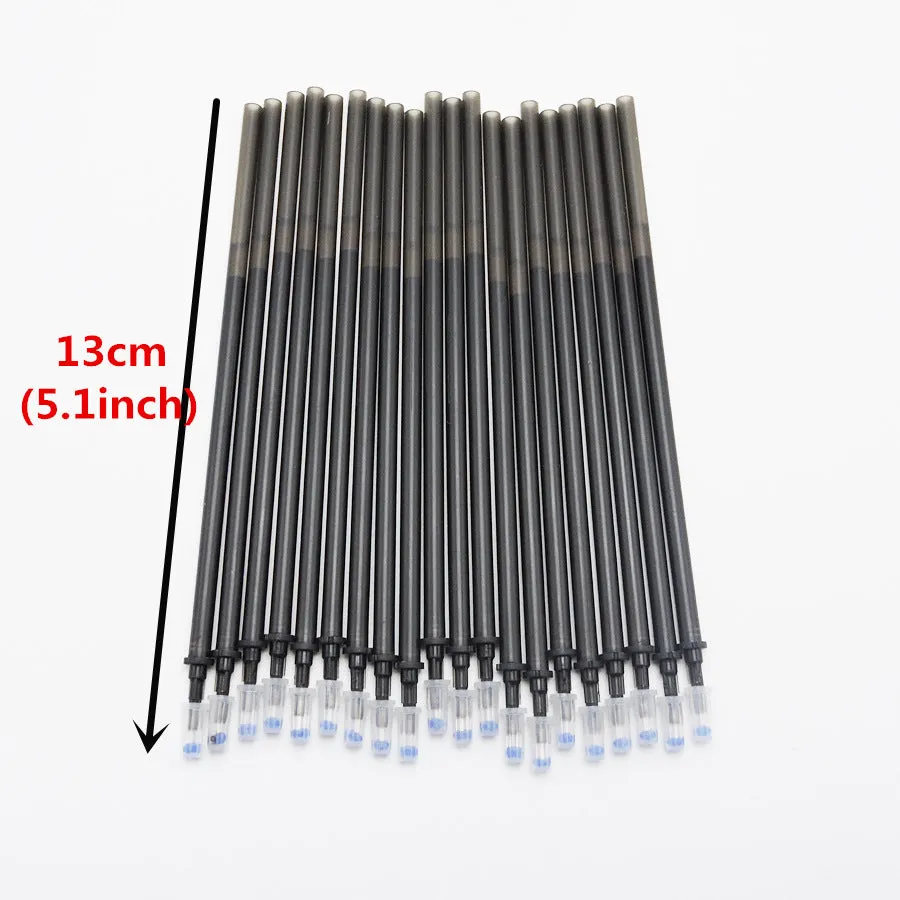
Erasable pen with removable 0.5mm needle tip, hot friction ink refill stationery for office and school use, available in black, blue, red with cap and nib accessory sets in two packaging options


Erasable pen with removable 0.5mm needle tip, hot friction ink refill stationery for office and school use, available in black, blue, red with cap and nib accessory sets in two packaging options
Erasable needle-tip pen with 0.5mm precision and hot friction ink for office and school stationery
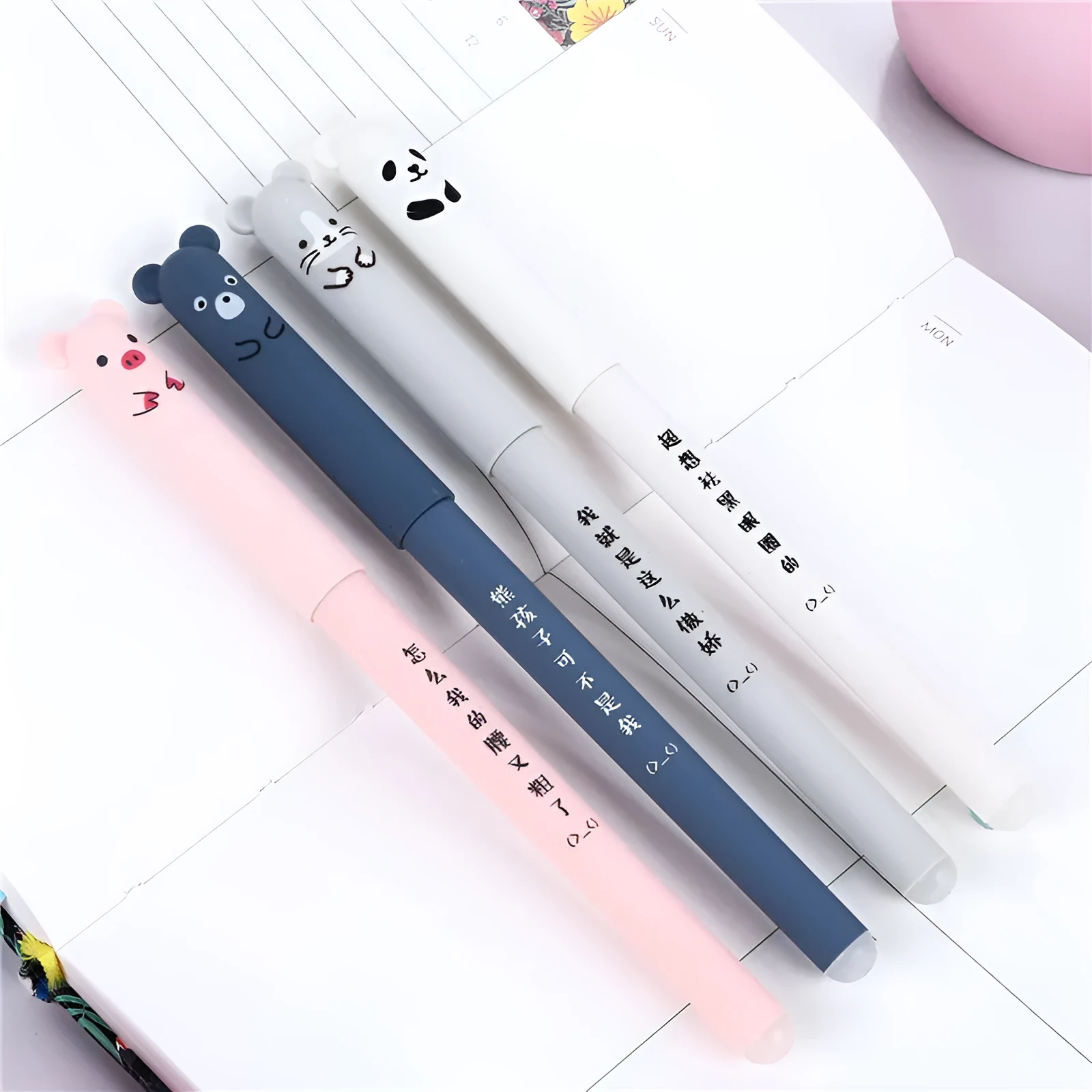
This erasable pen system addresses the practical need for correctable writing in both professional and educational environments, where errors frequently occur in documentation, note-taking, and technical work. Unlike conventional pens that create permanent marks, this stationery uses specialised ink technology that responds to heat application, allowing users to remove unwanted writing without damaging paper surfaces. The system offers two distinct packaging configurations with different accessory balances, enabling selection based on whether refill volume or replacement components represent the priority for individual writing habits and correction frequency requirements.
Features and Construction
The pen combines precision engineering with practical correction technology, creating a stationery tool suited to environments where accuracy matters but errors inevitably occur. The construction focuses on functional components that support both detailed writing and straightforward error removal without requiring specialised equipment beyond a standard eraser.
Material and Build
The pen housing utilises plastic construction that provides lightweight durability for daily handling while accommodating the internal ink delivery system. This material choice balances structural integrity with manufacturing efficiency, resulting in a pen body that withstands regular use without excessive weight that could cause hand fatigue during extended writing sessions. The internal mechanism works with specialised ink formulations designed specifically for heat-activated erasability, creating a complete system where both housing and consumable components work together to deliver the correction functionality.
Size and Practical Fit
The 0.5mm needle tip represents a specific size choice that supports precise line control for detailed writing applications including mathematics, technical diagrams, and careful note-taking where fine penmanship enhances clarity. This tip dimension creates consistent line width that remains legible without excessive ink deposition that could cause smudging or bleed-through on standard paper grades. The pen dimensions accommodate standard grip positions while housing sufficient ink volume for practical writing sessions between refills or nib replacements, balancing capacity with the precision engineering required for the needle tip delivery system.
Uses and Placement

This stationery system finds application across multiple environments where written accuracy matters but correction needs arise regularly. The combination of precise writing capability with straightforward error removal creates practical value in situations where complete document rewriting would represent inefficient use of time or resources.
Event or Professional Use
In office environments, the pen supports documentation creation where figures, calculations, or procedural notes require occasional correction without compromising document professionalism. The hot friction ink technology enables discreet error removal during meeting note-taking or form completion where crossing out errors would reduce readability or create an untidy appearance. The precise needle tip assists with filling small form fields, creating technical sketches, or annotating documents where fine detail matters for accurate communication between colleagues or departments.
Everyday Home Use
For educational purposes, the system supports student work where mathematics, language exercises, or science diagrams benefit from precise line control combined with the ability to correct mistakes during learning processes. The erasable function reduces paper waste when practice exercises require multiple attempts before achieving correct results, while the needle tip assists with detailed diagram labelling or careful handwriting practice. Home organisation tasks including list-making, budgeting, or planning also benefit from correction capability when priorities change or calculations require adjustment without starting documentation from scratch.
Benefits and Buying Value

The stationery system creates practical value through component choices that address specific writing and correction needs while offering configuration options that match different usage patterns. The selection between set types allows users to prioritise either refill volume or accessory balance based on their individual correction frequency and component replacement requirements.
Reuse and Low Maintenance
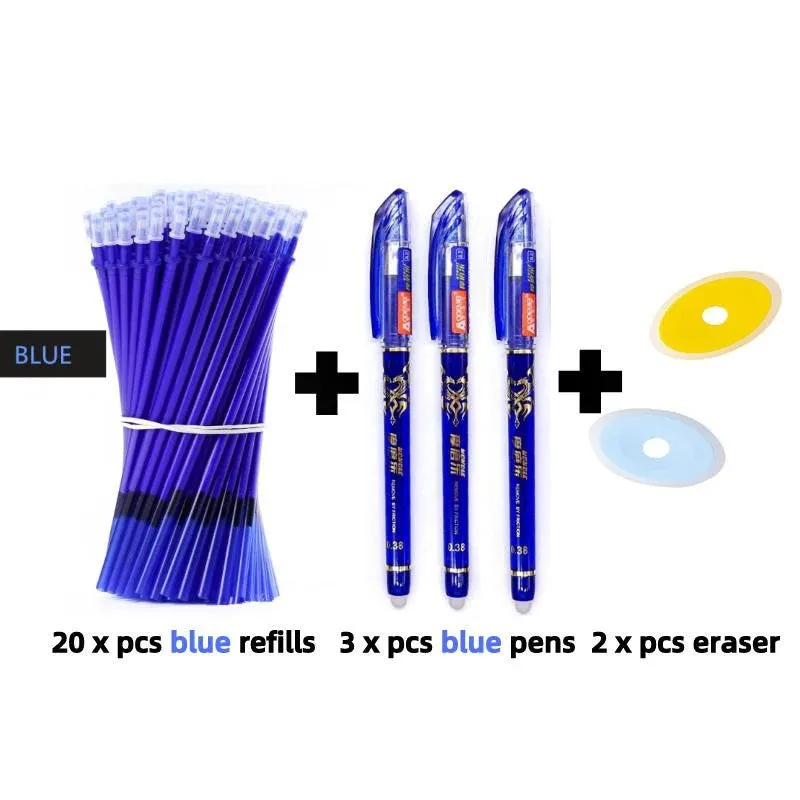
The packaging configurations provide different approaches to extending product usefulness through component replacement rather than complete pen replacement. Set 1 focuses on ink refill volume with 20 refills supporting extended writing before depletion, while Set 2 balances pens and nibs with 20 replacement nibs alongside 3 pens for situations where tip wear represents the primary limitation. This configuration choice allows users to select based on whether ink consumption or tip maintenance represents their main replacement driver, potentially reducing long-term stationery costs through targeted component renewal rather than complete tool replacement.
Why Choose This Product
This stationery system addresses the specific combination of precision writing need with practical correction requirement that occurs regularly in both professional and educational settings. The 0.5mm needle tip delivers the line control necessary for detailed work, while the hot friction ink technology provides straightforward error removal without requiring specialised correction fluids or extensive rewriting. The colour options across black, blue, and red inks support different documentation standards or organisational systems, while the two set configurations offer flexibility in whether refill volume or accessory balance better matches individual writing volume and correction frequency patterns.