
EMMC read-write tool for car audio host maintenance and localisation data repair, compatible with BMW, Mercedes-Benz, Audi, Porsche, and Fengdao systems. SD card and PCB port interface for direct chip communication without soldering.


EMMC read-write tool for car audio host maintenance and localisation data repair, compatible with BMW, Mercedes-Benz, Audi, Porsche, and Fengdao systems. SD card and PCB port interface for direct chip communication without soldering.
EMMC Read-Write Tool for Car Audio Host Maintenance on BMW, Audi, Mercedes, and Porsche Systems
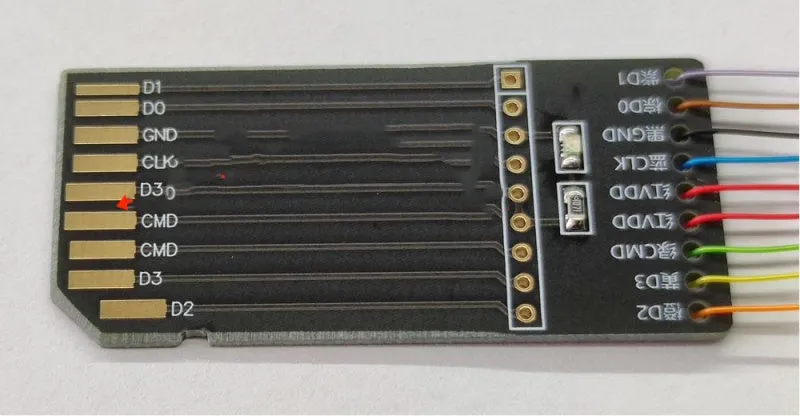
This specialised electronic tool is designed for automotive technicians and repair specialists working on modern car audio head units. It provides a direct method to access, read, write, and repair the data stored on embedded MultiMediaCard (eMMC) chips within these systems. The primary applications include firmware recovery, localisation data modification, and general maintenance for audio hosts from several major vehicle manufacturers. By connecting through existing SD card slots or PCB ports, it offers a non-destructive alternative to desoldering chips, preserving original hardware integrity while enabling critical data operations.
Features and Construction

This tool is built for a specific professional task: interfacing with the eMMC memory chips found in automotive infotainment systems. Its design focuses on compatibility with the connection protocols and physical interfaces present in these units. The construction centres around reliable data transfer and communication with the target chip, using components suited to automotive electronic environments.
Material and Build
The tool comprises standard electronic components required for establishing communication with eMMc storage, including connectors, a controller, and supporting circuitry. It is assembled to handle the data transfer protocols used by automotive eMMC chips. The build prioritises signal integrity and stable connection to the host device through the designated ports.
Size and Practical Fit
The physical size and form factor are designed to be handheld and portable for workshop use. It connects to the target audio host via either an SD card interface or a dedicated PCB port, depending on the specific head unit design. This dual-interface approach increases its compatibility across different vehicle models and audio system generations.
Uses and Placement
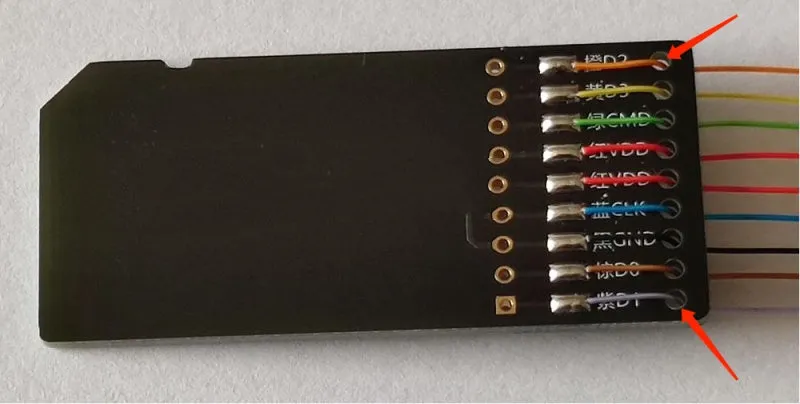
The tool is intended for professional automotive repair environments, including independent workshops, dealership service centres, and audio system specialists. Its use cases are technical and specific, revolving around data management and recovery on failed or region-locked head units.
Event or Professional Use
In a professional repair scenario, this tool is employed when an audio host exhibits software corruption, requires firmware updates, or needs localisation data changed – for example, converting a system from one regional market to another. It allows the technician to directly interact with the core storage chip to backup original data, write new data, or repair corrupted files without replacing the entire hardware unit.
Everyday Home Use
This is not a consumer tool for everyday home use. It requires technical knowledge of automotive electronics, eMMC protocols, and often companion software to manage the data transfer. Its application is firmly within the realm of professional vehicle repair and maintenance.
Benefits and Buying Value
The value of this tool lies in its targeted functionality for a specific repair niche. It addresses a concrete problem in modern car audio repair: accessing the soldered, non-removable eMMc memory that stores the system's operating software and configuration.
Reuse and Low Maintenance
The tool itself is a durable electronic device designed for repeated use across multiple repair jobs. It requires minimal maintenance beyond careful handling and storage. Its primary value is enabling the repair and continued use of the original car audio hardware, which can be more cost-effective than complete head unit replacement.
Why Choose This Product
This tool is selected for its stated compatibility with audio systems from BMW, Mercedes-Benz, Audi, Porsche, and Fengdao. For workshops servicing these brands, it provides a direct solution for a common repair task. The non-soldering connection method reduces the risk of further damage to expensive head units during the repair process, which is a key practical advantage.