Multifunctional wall detector and wire detector with three model options for precise detection of magnetic metal up to 120mm, non-magnetic metal up to 100mm, AC wiring up to 50mm, and wooden objects up to 38mm depth.


Multifunctional wall detector and wire detector with three model options for precise detection of magnetic metal up to 120mm, non-magnetic metal up to 100mm, AC wiring up to 50mm, and wooden objects up to 38mm depth.
Multifunctional Wall Detector with Three Models for Precise Hidden Object Location Up to 120mm Depth
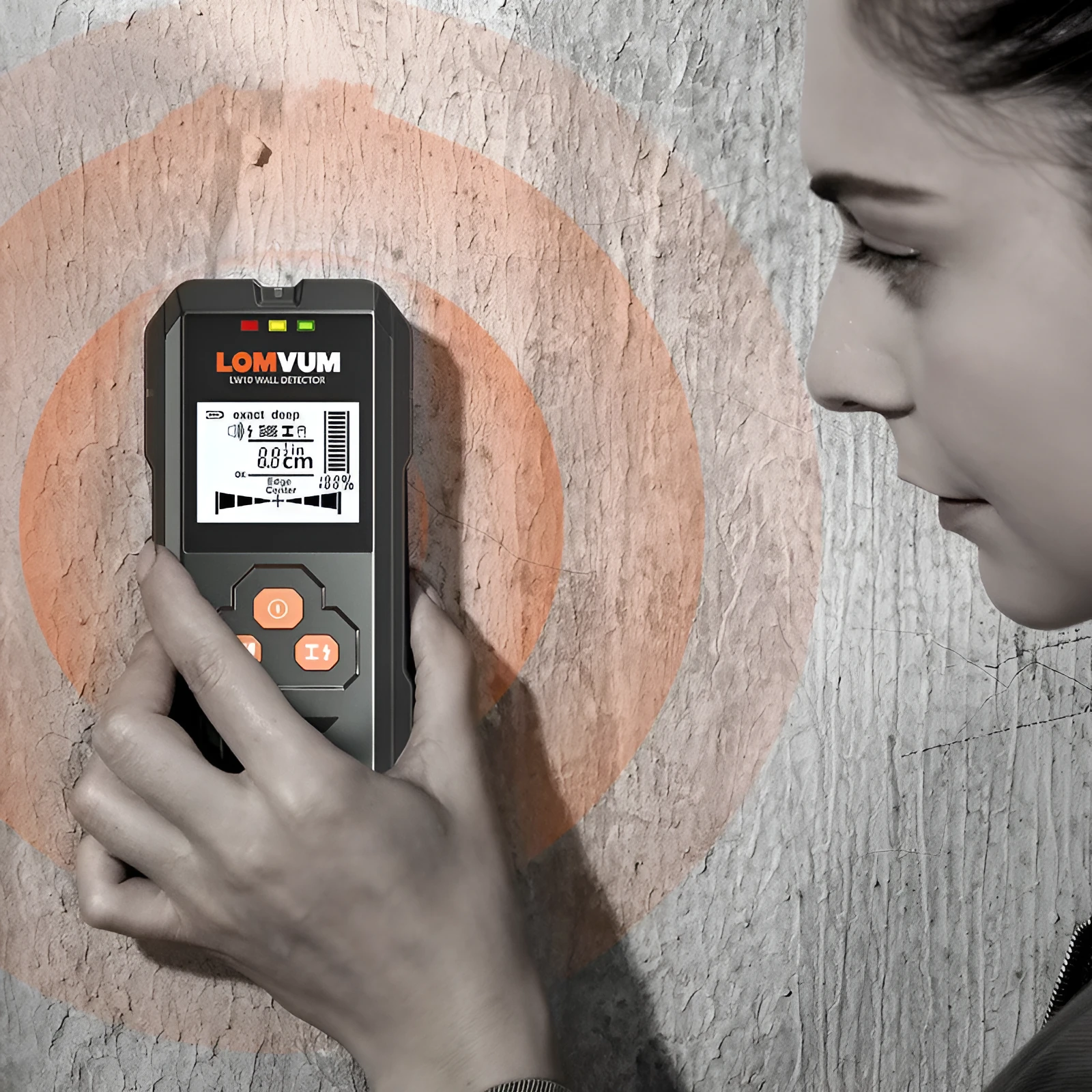
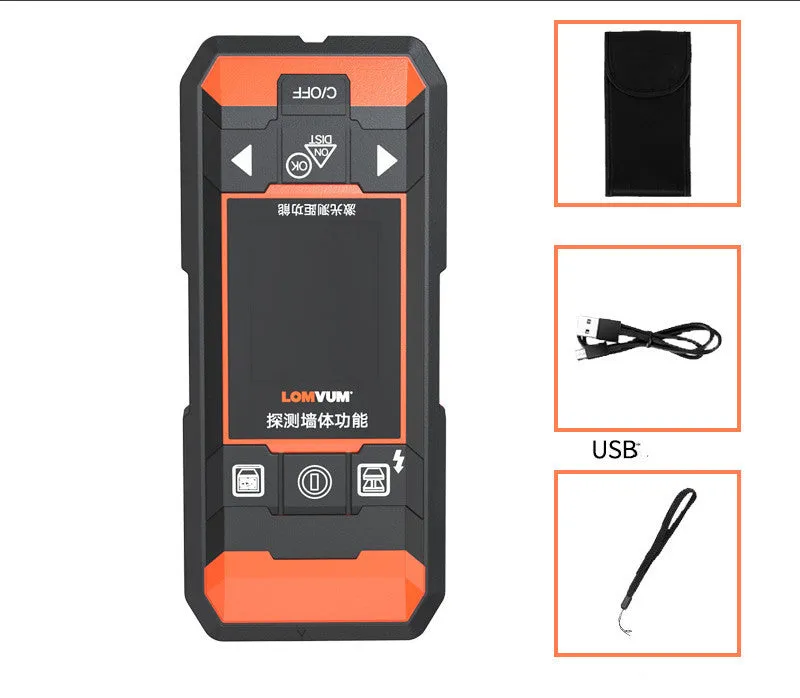
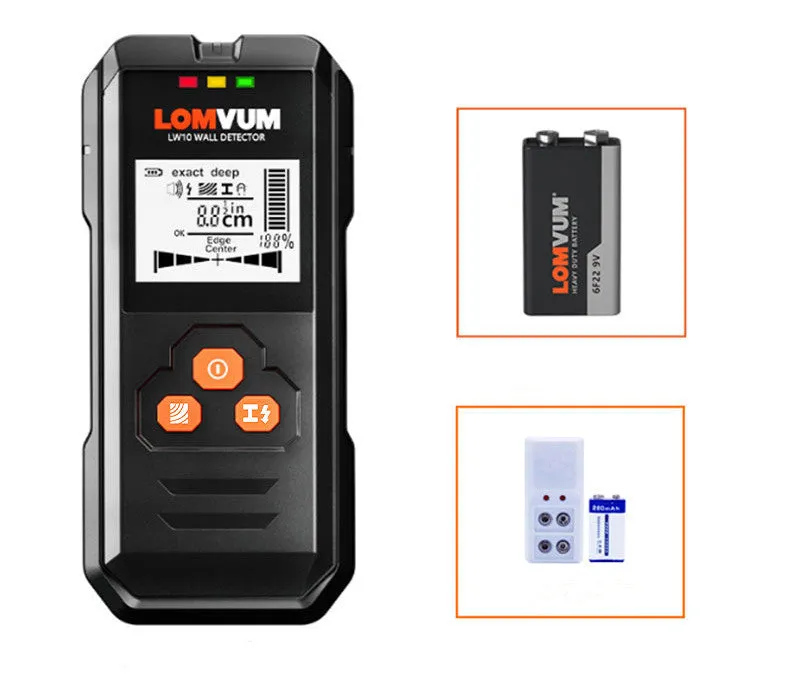
This multifunctional wall detection instrument helps identify concealed construction elements and foreign objects embedded within walls, ceilings, and floors before commencing drilling, mounting, or renovation projects. By providing specific detection depths for different material types, it reduces the risk of damaging electrical wiring, plumbing pipes, or structural components. The device offers three distinct operational models to suit varying user requirements and preferences: Model A functions as a standard battery-powered unit, Model B includes a rechargeable configuration, and Model C incorporates voice feedback alongside additional ranging capabilities. Each model shares core detection functions while differing in power source and interface features, allowing users to select the option best aligned with their intended frequency of use and operational environment.
Features and Construction
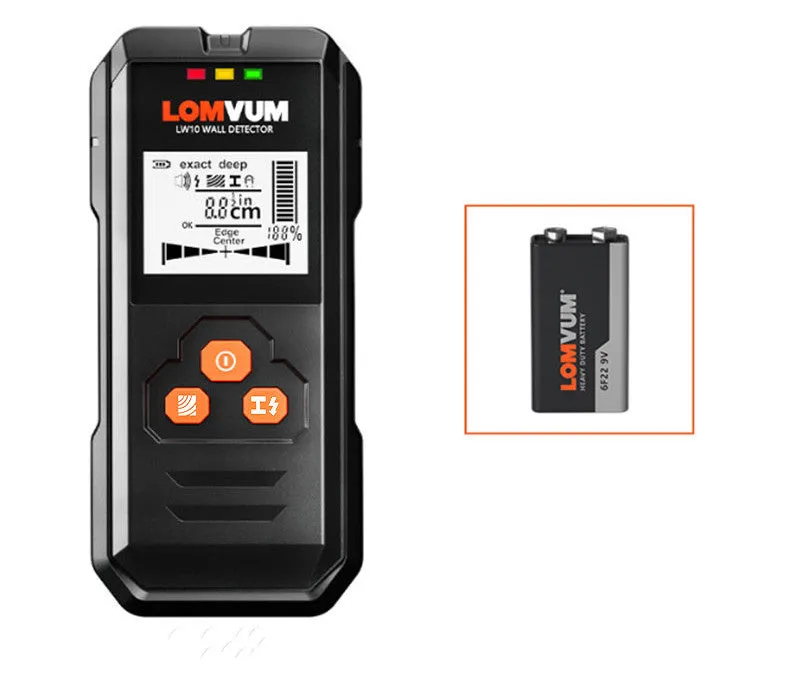
The wall detector's functionality centres on distinguishing between material types and providing corresponding depth measurements to inform safe working practices. Its electronic components are housed within a plastic casing designed for handheld operation during scanning procedures. The instrument differentiates itself through material-specific detection capabilities, offering varying maximum penetration depths depending on the substance being located.
Material and Build
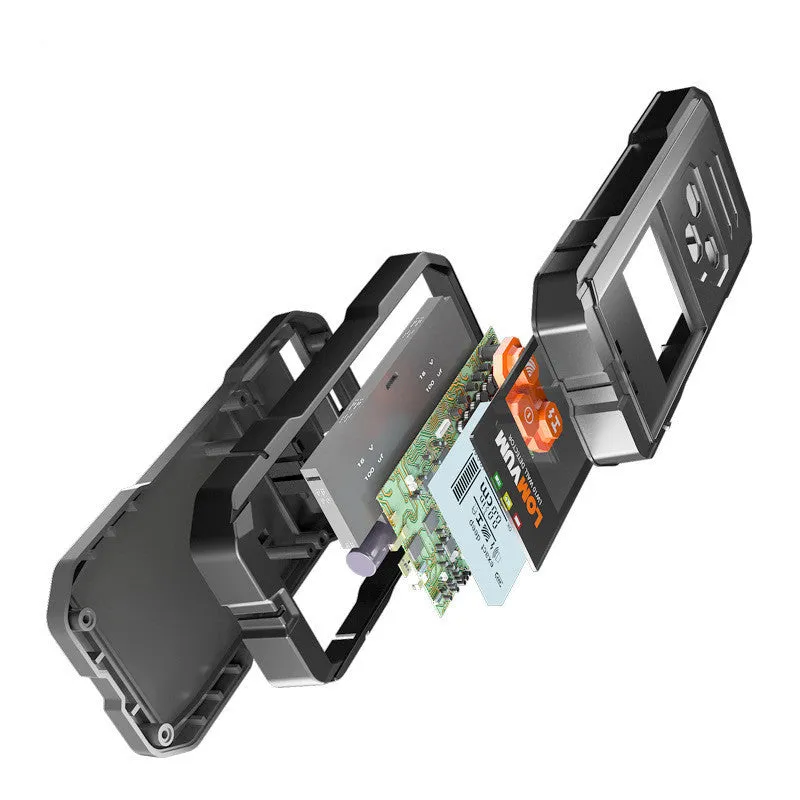
The detector's construction incorporates specialised electronic circuitry calibrated to identify distinct material signatures within wall cavities. It achieves this through electromagnetic field detection for metallic objects and alternative sensing methods for non-conductive materials. The plastic housing provides a lightweight yet durable enclosure suitable for site use, with ergonomic considerations for prolonged handheld scanning sessions. Internal components vary slightly between models, with Models B and C incorporating rechargeable lithium-ion battery technology while Model A maintains compatibility with widely available 9V dry cell batteries.
Size and Practical Fit
While physical dimensions of the unit itself are not specified in source materials, its operational parameters define practical application boundaries. The detector's maximum penetration depth of 120mm for magnetic metals corresponds to typical drywall and plasterboard construction depths, allowing identification of studs, nails, and metal fixtures. The 100mm detection for non-magnetic metals like copper facilitates location of plumbing and electrical conduits, while the 50mm range for alternating current wiring helps pinpoint live cables. The dual detection modes for wooden objects (20mm precision and 38mm depth settings) enable identification of studs, battens, and embedded wooden blocks commonly used in wall construction.
Uses and Placement
This detection instrument serves multiple applications across professional construction, renovation, and domestic DIY contexts where knowledge of hidden wall contents prevents costly mistakes and safety hazards. Its material-specific detection capabilities make it particularly valuable when working in buildings of unknown construction or when documentation of existing fittings is unavailable.
Event or Professional Use
For tradespeople including electricians, plumbers, and builders, the detector provides a practical tool for risk assessment before cutting into surfaces. Electricians can verify the absence of live wiring in proposed drilling locations, while plumbers can trace pipe routes without destructive investigation. Construction professionals can locate wall studs for secure mounting of heavy fixtures or identify reinforcing elements before core drilling. The voice feedback option in Model C offers particular advantage in noisy site environments where visual indicator interpretation might be challenging, while the rechargeable configurations of Models B and C suit regular professional use by eliminating battery replacement concerns.
Everyday Home Use
For domestic DIY enthusiasts and homeowners undertaking improvement projects, the detector adds a layer of precaution when installing shelves, televisions, artwork, or other wall-mounted items. It helps avoid drilling into electrical cables that could cause shock hazards or circuit damage, and prevents puncture of plumbing pipes that might lead to water leakage. The instrument's automatic shutdown feature after five minutes of inactivity makes it suitable for intermittent use during home projects without constant battery drain concerns. Model A's standard battery operation provides straightforward functionality for occasional users, while the varying detection modes allow adaptation to different wall construction types found in residential properties.
Benefits and Buying Value
The detector's value proposition centres on preventing damage costs and safety incidents that far exceed the instrument's price, while its multiple model options accommodate different usage patterns and budget considerations. By providing specific depth measurements rather than mere presence indicators, it enables more informed decision-making about drilling locations and techniques.
Reuse and Low Maintenance
All three models feature power management systems that extend operational life between charges or battery replacements. The automatic shutdown function after five minutes of non-use prevents accidental battery depletion when the device is left switched on between measurements. Models B and C utilise built-in rechargeable lithium batteries rated for approximately 5000 single measurement cycles, reducing long-term consumable costs for frequent users. Model A's compatibility with universal 9V batteries ensures power source availability even in locations without charging facilities, with its approximate six-hour operating time covering multiple typical project sessions.
Why Choose This Product
This detector distinguishes itself through material-specific depth detection rather than generic presence indication, providing more actionable information for planning drilling or cutting operations. The three model options allow users to select functionality aligned with their anticipated usage frequency: Model A for occasional DIY projects, Model B for regular domestic use with recharge convenience, and Model C for professional applications benefiting from voice feedback and ranging capabilities. The specified detection depths for different materials (120mm magnetic metal, 100mm non-magnetic metal, 50mm AC wiring, 38mm wood) provide clear parameters for assessing whether the instrument meets particular wall construction requirements, unlike generic detectors with unspecified or exaggerated penetration claims.